
Fix Damaged Walls from Pets: Dog Scratches, Chew Marks & Holes
This post may contain affiliate links which won't change your price but will share some commission. Read more here.We all love our pets, but there’s nothing like walking into a room to find your dog has chewed through a door frame or your cat has turned the wall into a scratching post. The good news: most pet damage — scratches, chew marks, even small holes — is easier to fix than it looks. With a few basic supplies and an afternoon, you can patch, sand, and paint the damage so it’s like it never happened.
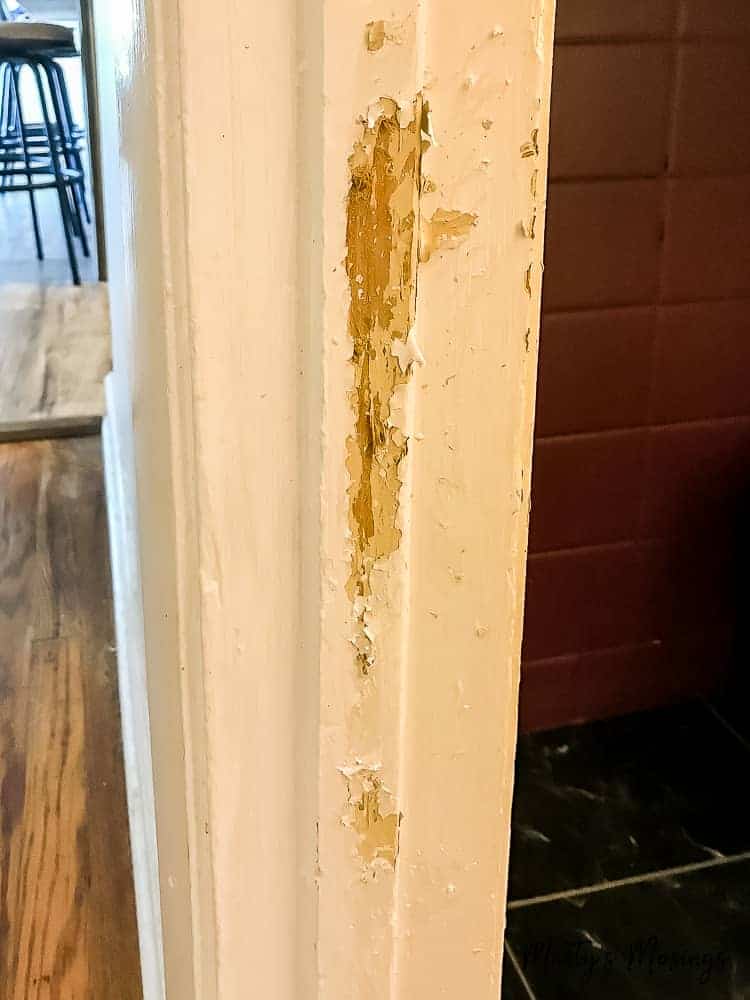
What to Expect with This Repair:
Result: A patched, primed, and painted spot that blends into the surrounding wall
Time needed: 1–2 hours of hands-on work, plus drying time for filler and paint
Cost: Usually under $30 in materials for small to medium damage
Skill level: Beginner-friendly — no drywall experience needed
Best for: Scratches, chew marks, and small-to-medium holes from dogs, cats, or other pets
Is This a DIY Fix or a Call-a-Pro Job?
Quick gut check before you start: Surface scratches, small chew marks, and holes under a couple of inches are easy DIY fixes with the steps below. If you’re dealing with a hole bigger than a fist, damage near an electrical outlet, or a large section of drywall that’s crumbling or soft, it’s worth calling a drywall pro instead of patching it yourself.
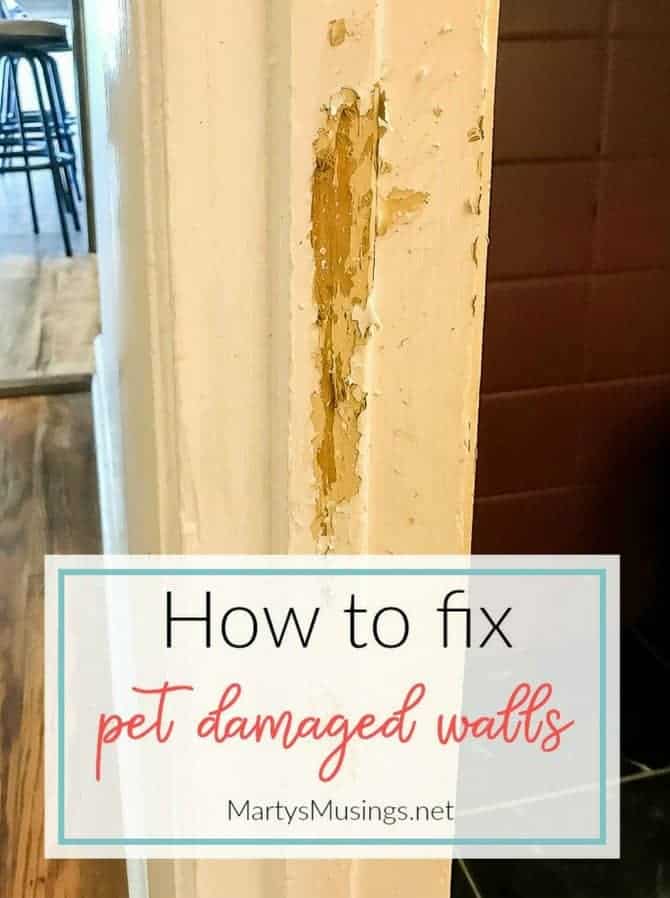
We all love our pets but I’m pretty sure I’m not the only one who freaks out when said pet basically eats a door frame! Some dogs like to chew on walls and some cats like to use walls as a scratching post!
Usually animal scratches are pretty localized and easy to fix. These steps would also apply to any other damage you might encounter in your home. (For an even greater in-depth post you can read how to repair drywall damage.)
Materials needed for DIY pet wall damage fixes:
- Sanding sponge
- Drywall patch repair kit
- KILZ primer
- Sheets of sandpaper
- All purpose putty
- Heavy duty wall repair spackling & primer
- Sanding discs
- Orbital sander
Pet wall damage repair guide:
Step 1. Sand any raised and damaged spots on the drywall.
Take a coarse sanding block (or sandpaper) and go over the piece of drywall just to get rid of any high spots and debris. The goal is to make your wall as smooth as possible.
Step 2. Use wood filler or Bondo to fill in the holes.
If you use a product like All purpose putty you mix the two products included. The fix has to be used immediately before it hardens to fix the small holes.
If you use something like Wall Repair Spackling and Primer you use the product straight out of the container. Use spackle if you have a smaller area and are more familiar with the product. A kid that includes drywall compound may work for you as well.
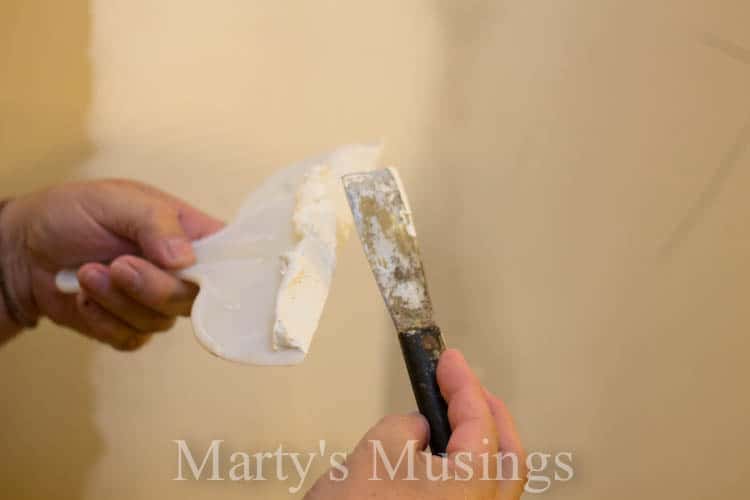
Use a scraper or putty knife to spread the compound into and immediately around the hole. Make sure and use enough of the product to overfill until it becomes a flatter surface. You want the drywall patch to have as few imperfections as well.
Step 3. Let dry.
Depending on the product used the dry time varies. If you want to you can cheat with a hair dryer if but NO HEAT GUN and it has to be dry before moving on.
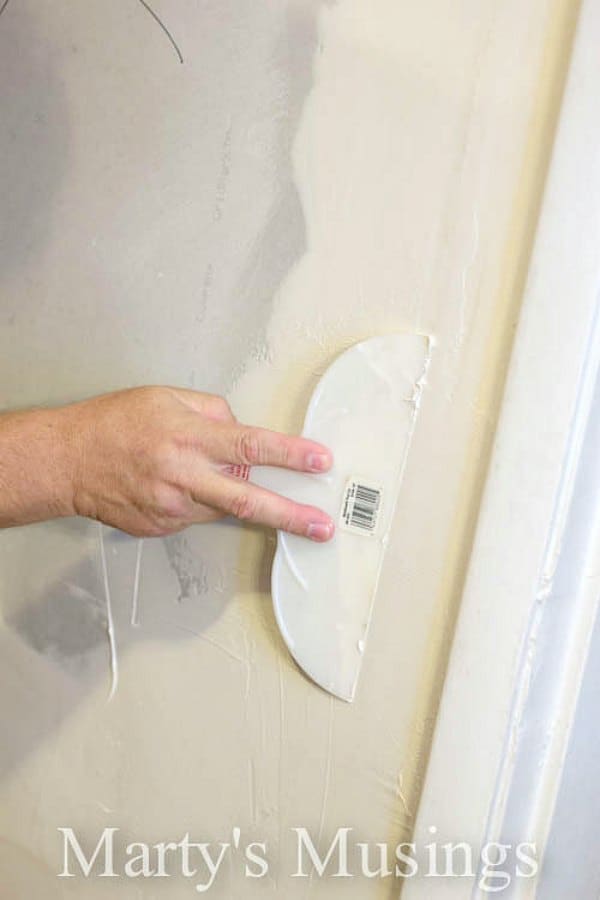
Step 4. Sand the repaired spot.
Make sure and don’t over sand. The desired result is a patch that will hide the previous damage. The better the spackling job the easier sanding.
Sand until you can neither see nor feel bumps or valleys.
Step 5. Prime and Paint.
You can prime if you want with an aerosol Kilz or Zinser product, but protect the floor from over-spray. You can also brush on primer with a good interior brand such as KILZ Adhesion Primer, Ideally, you should always have a small container of interior paint saved for touchups like these. Make sure and blend into the rest of the wall so you won’t have seams or evidence of the joint compound.
FAQs How to fix a wall my dog chewed
How do you fill dog gouges in drywall?
It depends on the size of the hole. I think dog scratches are easier to cover up and spackle can do the job well. Sanding will help smooth out the rough edges before touching up with paint. If there are large holes make sure and follow the tutorial above.
How can I stop my dog from chewing the wall?
Every pet is different, so start by figuring out why your dog is chewing. For my dogs, it was anxiety. There were fireworks going off and I wasn’t home, and they chewed their way through a locked door trying to get to me. That’s real separation and noise anxiety, and no amount of spackle fixes the cause. (I learned that the hard way.)
Here’s what helps, depending on what’s behind the chewing:
If it’s separation anxiety:
- Practice short departures. Leave for just a minute or two, come back calmly, and slowly stretch the time. Keep your exits and arrivals low-key so leaving isn’t a big event.
- Keep a consistent routine. Dogs relax when they know what to expect. Mine stays in the bedroom when I leave and he’s happy as can be. When I let him roam the whole house, he eats all the paper!
- Give them a job. A frozen stuffed Kong, a snuffle mat, or a puzzle feeder gives your dog something better to do than redecorate your door frame.
- Tire them out first. A good walk or play session before you leave makes a calm nap much more likely than a chewing spree.
If it’s noise anxiety (fireworks, thunder):

- Create a safe, cozy spot with a crate or a bed in an interior room, with the TV, white noise, or calming music on to mask the sound.
- Work on desensitization. Play recordings of fireworks or thunder at a very low volume while your dog is relaxed or eating treats, and gradually raise the volume over several weeks. The goal is for the scary noise to predict good things.
- On known fireworks nights like July 4th and New Year’s, try not to leave your dog home alone.
If it’s boredom or teething:
- Rotate chew toys so they stay interesting, and offer durable chews made for your dog’s size.
- Lightly redirect, never punish. When you catch your dog chewing the wall, calmly swap in a toy and praise them for taking it. Scolding after the fact only adds to the anxiety.
What about cats? If your cat is using the wall as a scratching post, put a sturdy scratching post right next to the damaged spot, since cats like to scratch where they’ve already marked. Keeping nails trimmed and covering the area with double-sided tape for a few weeks can help too.
Repair the wall last. Once you’ve got the behavior under control, then patch the damage using the steps above. Fixing the wall first just gives your pet a fresh spot to destroy. If your dog’s destruction is severe or comes with panting, pacing, or accidents in the house, talk to your vet. Some dogs need extra support from a trainer or a medication plan, and that’s nothing to feel bad about.
Will the repaired spot be visible after painting?
Not if you blend the edges of the paint touch-up into the surrounding wall and use paint that matches the original — even a slight color shift is much less noticeable than the original damage.
What’s the difference between spackle and wood filler for this repair?
Spackle is best for smaller drywall holes and dries lighter, while wood filler works well on baseboards, door frames, and other wood trim pets tend to chew.
How long should I wait before painting over the patch?
Let the filler or spackle dry completely — usually a few hours, longer in humid conditions — before sanding and painting; painting over a still-damp patch can cause cracking.
Can I prevent my pet from damaging the same spot again?
Once it’s repaired, a bitter-apple spray or a physical barrier over the area while your pet adjusts can help stop repeat scratching or chewing at that spot. If anxiety is the reason behind the scratching the best way is to address that issue!
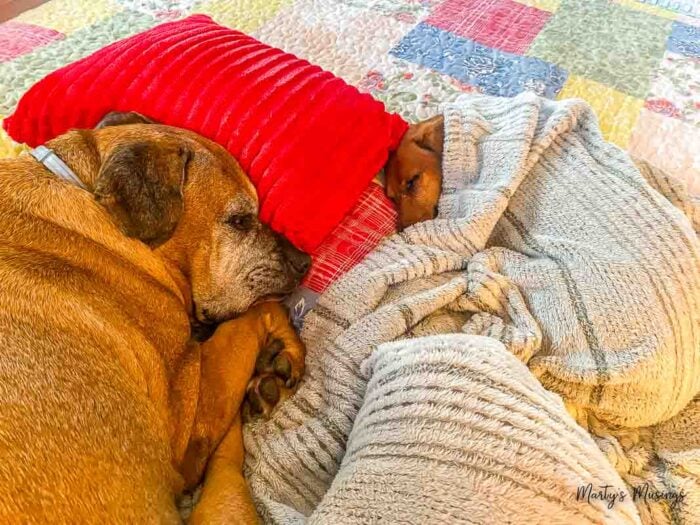
My dog Carson and my new husband’s dog Leo (you can read all about our amazing redemption story!)
Will a pet door help?
I have friends who have smaller dogs and use a pet door so the dog is free to roam. My dog is 80 pounds so that’s not an option! I think it depends on how safe you feel at home and whether this option is the best for you and your pet.
My Favorite Dog-Proofing Products
Once you’ve fixed the wall, these are the things I’d reach for to keep it fixed. (This post may contain affiliate links, which won’t change your price but will share some commission.)
1. Kong Extreme: the chew toy that lasts
This is a line of thick, tough rubber made for dogs who destroy everything else. Stuff it with peanut butter or wet food, freeze it, and hand it over right before you leave. Choose the size based on your dog’s weight. (Use peanut butter without xylitol, which is toxic to dogs.)
My dog is 80 pounds and can absolutely destroy chew toys. THIS is the ONLY toy he can’t chew through! I’ve tried them all and it’s inexpensive and made to last!
2. Clear corner guards: protection for your fresh repair
These stick right over a chewed corner or door frame, so your new spackle and paint stay safe while you work on the behavior. They’re nearly invisible, so you won’t be trading a damaged wall for an ugly one.
3. Lick mat: calm in a bowl
Spread on yogurt, wet food, or peanut butter and let your dog lick away. Licking is naturally soothing, which makes this a good pick for anxious dogs and for fireworks and thunderstorm nights. Toss it in the dishwasher when you’re done.
4. Bitter anti-chew spray: make the wall taste terrible
A pet-safe bitter spray makes baseboards and trim unappealing. Test a hidden spot first so it doesn’t mark your paint, and reapply often, because it wears off. It works best alongside a good chew toy, not instead of one.
How I’d use them together: Corner guard on the repaired spot, bitter spray on the trim around it, and a frozen Kong or lick mat to give your dog something better to do. Add in the routine and anxiety tips above, and you’ve covered the wall, the dog, and the reason behind the chewing then the toy teaches them what to chew instead. And if the chewing is coming from anxiety, as it was for mine, take a look at the separation anxiety tips above, because a bored or stressed dog will find a way around any deterrent.
More Painting Tips
Practical painting tips for the home that anyone can use, including chalk painting, accent walls and choosing the right colors.

3 Comments